
Understand how site evaluations assess soil, drainage, water access, and infrastructure in Newberry to reduce risks before greenhouse investment.
Explore propagation setup solutions to reduce crop losses. Optimize your greenhouse efficiency with expert guidance today!
Discover mother room planning strategies for High Springs, including environmental controls, lighting systems, and workflow organization for consistent cutting production.
Explore propagation setup design for Ocala greenhouses, covering environmental controls, workflow organization, and equipment selection to reduce plant losses.
Learn how operational efficiency consulting in Alachua identifies workflow bottlenecks, equipment inefficiencies, and labor optimization opportunities for greenhouses.
Learn how to evaluate and source bulk soil and coco media for commercial cultivation in Gainesville, FL — covering batch consistency, pH/EC targets, and system design.
Building the Ideal Propagation Environment When growers struggle with propagation, the first question is often, “What product am I missing?” But after years of working in greenhouses and production environments, I have found that the biggest improvements usually come from controlling the environment. I have walked into propagation areas where growers were fighting slow rooting, inconsistent results, and plant losses. The solution was not always another additive or stronger rooting hormone. Sometimes it was as simple as correcting temperature, improving airflow, or creating better moisture balance. Building the ideal propagation environment is about creating the conditions where plants can focus their energy on producing roots instead of fighting stress. A successful propagation area does not happen by accident. It is built through proper environmental control, sanitation, and consistent practices. What Makes an Ideal Propagation Environment? A propagation environment has one goal: provide the right conditions for cuttings and young plants to establish healthy roots. The most important factors include: Temperature Humidity Moisture management Airflow Light intensity Cleanliness Quality propagation media Each factor works together. If one area is out of balance, it can slow rooting and increase plant stress. Temperature: Creating the Right Conditions for Root Growth Temperature is one of the most important parts of propagation. Cuttings are already under stress because they have been removed from the mother plant. They need a stable environment where they can heal, form callus, and begin producing roots. When temperatures are too low: Plant metabolism slows Root initiation is delayed Cuttings stay vulnerable longer Pathogen issues can increase I have seen this firsthand when walking into propagation rooms that were too cold. The growers were experiencing slow rooting and damping off issues, but the root cause was the environment. The plants were not actively progressing because the conditions were limiting their ability to recover. Humidity and Moisture Management Many growers understand that cuttings need moisture, but the balance is what matters. Too little moisture can cause cuttings to wilt before roots develop. Too much moisture can create problems with oxygen levels and increase the risk of pathogens. The goal is to maintain a humid environment while still allowing the root zone to breathe. A successful propagation system balances: Moisture retention Oxygen availability Healthy root development Airflow: The Overlooked Part of Propagation Air movement is often underestimated in propagation. While young cuttings need protection from excessive drying, stagnant air creates problems. Proper airflow helps: Reduce stagnant humidity pockets Strengthen developing plants Improve environmental consistency Reduce pathogen pressure The goal is not strong wind blowing directly on cuttings. The goal is gentle, consistent air movement throughout the propagation area. Lighting During Propagation Young plants and fresh cuttings do not require the same light intensity as mature production crops. Too much light can increase stress and water loss before roots develop. Too little light can slow plant activity. A successful propagation lighting program focuses on: Providing enough energy for plant function Avoiding unnecessary stress Maintaining consistency Common Mistakes in Propagation Environments 1. Focusing on Products Instead of Conditions Rooting hormones, additives, and supplements can support propagation, but they cannot overcome a poor environment. The foundation always comes first. 2. Keeping Propagation Areas Too Wet More moisture does not always mean better rooting. Overwatering can reduce oxygen around developing roots and create conditions where pathogens thrive. 3. Poor Sanitation Propagation environments require attention to cleanliness. Common sources of contamination include: Dirty tools Used trays Contaminated work surfaces Dead plant material left in the area A clean environment gives every cutting a better chance. 4. Ignoring Environmental Monitoring Many growers react after problems appear. Monitoring temperature, humidity, moisture, EC, and pH allows growers to identify problems before crop losses occur. How to Build a Better Propagation Environment A strong propagation system starts with consistency. 1. Start With Healthy Plant Material Healthy mother plants produce stronger cuttings. Avoid taking cuttings from stressed, diseased, or nutrient-deficient plants. 2. Use Quality Propagation Media The media surrounding the cutting plays a major role in moisture balance and root development. Choose a media that provides both water retention and oxygen availability. 3. Maintain Stable Environmental Conditions Avoid large swings in: Temperature Humidity Moisture levels Light intensity Consistency creates predictable results. 4. Keep Records Track your propagation conditions and results. Small changes can have a major impact, but only if you know what changed. Building Your Propagation System With Bella’s Farm Supply Successful propagation requires the right combination of knowledge, supplies, and environmental management. At Bella’s Farm Supply, we help growers create reliable propagation systems with products designed to support healthy plant establishment. Explore our selection of propagation supplies, including products for: Plant cuttings and cloning Propagation media Root development Early plant establishment Commercial propagation setups The best propagation rooms are not built around one product—they are built around a repeatable system. Final Thoughts Building the ideal propagation environment is about controlling the details that matter most. Healthy cuttings, clean practices, proper temperature, balanced moisture, and consistent environmental conditions all work together to create strong roots. Propagation success starts before the first root appears. What is the biggest challenge you have faced when creating the right propagation environment?
If you've propagated plants for any length of time, chances are you've used peat moss. For years, peat has been the industry standard for propagation plugs and seed starting, and for good reason—it works. I relied on peat-based media for more than seven years. It produced healthy plants, rooted cuttings, and consistent results. But as we continued running propagation trials, I wanted to know if there was a better option. That's when we started working with coco coir. After comparing the two, we found that coco not only rooted cuttings consistently, but it also offered several advantages that made it a better fit for our propagation program. Understanding the Difference Both peat moss and coco coir are excellent propagation media, but they behave very differently. Peat moss naturally has a low pH and tends to retain water more tightly. That can be an advantage for some crops, but it also means growers need to pay close attention to irrigation practices to avoid keeping the media too wet. Coco coir, on the other hand, provides excellent water-holding capacity while maintaining more air space around the root zone. One of the biggest advantages is that the grower has much more control over the buffering process. Instead of accepting whatever nutrient profile comes with the media, coco allows you to tailor the buffering solution to your crop. Whether you want additional calcium, magnesium, or another specific nutrient balance, you have the flexibility to build the root environment your plants need. What We Learned During Our Trials After years of using peat, switching to coco wasn't a decision we made overnight. We wanted to compare rooting performance, moisture management, and overall plant health under the same growing conditions. As our trials progressed, coco consistently produced strong root development while giving us greater control over irrigation and nutrition. We also appreciated being able to customize the buffering solution rather than relying solely on the media's natural characteristics. That flexibility has become one of the biggest reasons we've continued using coco in our propagation program. Common Mistakes Growers Make Changing media doesn't automatically improve propagation success. One of the biggest mistakes I see is treating coco exactly like peat. They don't behave the same. Overwatering is one of the most common problems, especially for growers making the switch. While coco drains well, constantly keeping it saturated reduces oxygen around developing roots and slows propagation. Another mistake is overlooking the cation exchange capacity (CEC) of the media. Both peat and coco hold nutrients differently. Understanding how each media interacts with calcium, magnesium, and potassium allows you to build a more stable root environment and avoid nutrient imbalances during propagation. My Recommendation If you're currently using peat and getting good results, there's nothing wrong with staying with what works. However, if you're looking for more control over your propagation program, coco coir is worth considering. In many cases, coco is competitively priced, can be buffered to meet your specific crop requirements, rewets more easily after drying, and provides an excellent balance of moisture retention and air space for developing roots. Like every part of growing, success comes from understanding your media—not simply following what everyone else has always used. Products We Use If you're interested in building a propagation system around coco coir, take a look at our propagation collection at Bella's Farm Supply. We carry propagation trays, Char-Coir Coins, inserts, and other propagation supplies that we've selected based on our own experience and field trials. Explore our propagation products: https://www.bellasfarmsupply.com/propagation-supplies Final Thoughts Propagation isn't about finding a magic media. It's about understanding how that media works and using it to create the best possible environment for root development. We've had great success with coco coir, but every operation is different. That's why I always encourage growers to run their own trials, compare the results, and make decisions based on what works best for their crops. What propagation media has given you the best results—peat moss, coco coir, rockwool, or something else? I'd love to hear what's working in your operation.
One of the most overlooked parts of propagation isn't taking the cutting—it's selecting the right propagation media. Many growers spend a lot of time choosing the right plug, but that's only the first step. The propagation plug should match the media the plant will spend the rest of its life growing in. If those two environments are drastically different, you're creating unnecessary transplant stress before the plant ever reaches production. Why Your Propagation Media Matters The goal of propagation isn't just to produce roots—it's to produce a healthy root system that transitions seamlessly into the final container. Every media has unique physical and chemical properties. Water-holding capacity, airfilled porosity, pH, and cation exchange capacity (CEC) all influence how roots develop. When a cutting is rooted in one type of media and transplanted into another with completely different characteristics, the plant has to adjust to a new root environment. During that adjustment period, root growth can slow, moisture availability changes, and overall plant performance may suffer. A Lesson From the Greenhouse I was working with a client who couldn't figure out why their plants always seemed to stall after transplanting. The cuttings rooted well, but once they moved into production, growth slowed considerably. After looking through the propagation program, we found the issue. They were rooting in a peat-based propagation plug and transplanting directly into coco coir. The peat plug retained water much differently than the surrounding coco media. As irrigation cycles changed, the peat plug stayed wetter than the coco around it, creating a moisture imbalance near the crown of the plant. The young taproot remained in an overly wet environment while the surrounding roots were trying to establish themselves in a much different media. Once they switched to a propagation plug that matched their final growing media, transplant performance improved and root development became much more uniform. Common Propagation Mistakes One misconception is that if roots are growing, everything must be fine. Roots will often grow under less-than-ideal conditions, but that doesn't mean the plant is reaching its full potential. Another common mistake is mixing media without understanding how differently they manage water and nutrients. If you're growing in coco, use a coco propagation plug. If you're growing in a peat-based substrate, use a peat plug. Keeping the root environment as consistent as possible reduces transplant shock and encourages faster establishment. Matching the Plug to the Pot One of the simplest ways to improve transplant success is to keep your propagation media consistent with your production media. For example: Growing in coco grow bags? Start with a coco propagation plug. Growing in a peat-based mix? Use a peat propagation plug. Running custom media blends? Build a propagation program that closely matches your finished container. This creates a smoother transition for the developing root system and helps maintain consistent moisture and nutrient availability throughout production. Products We Use At Bella's Farm Supply, we offer propagation supplies designed to integrate with your growing system, including coco propagation products, propagation trays, inserts, and growing media. Propagation Supplies: https://www.bellasfarmsupply.com/propagation-supplies Growing Media: https://www.bellasfarmsupply.com/soil-coco-media Final Thoughts Healthy propagation doesn't stop when roots appear. The goal is to establish a root system that continues growing without interruption after transplanting. Matching your propagation media to your production media is a simple change that can reduce transplant shock, improve root development, and create healthier, more vigorous plants throughout the production cycle. What propagation media are you using today? Have you noticed differences in transplant performance when switching between peat, coco, or other substrates? I'd love to hear about your experience.
Why Cuttings Rot Before They Root One of the most frustrating problems in propagation is watching healthy-looking cuttings start to fail before they ever produce roots. A tray of fresh clones can look perfect one day, then within a short period, growers begin seeing soft stems, dark tissue, and cuttings collapsing before roots ever develop. I have walked into propagation rooms where the first assumption was that the genetics were the problem or that a rooting product was needed. In reality, the issue was often much simpler—the environment was working against the cuttings. Understanding why cuttings rot before they root comes down to controlling the factors that influence early root development: temperature, moisture, sanitation, airflow, and handling practices. What Causes Cuttings to Rot Before They Root? When a cutting rots before producing roots, it is usually caused by a combination of stress and pathogens taking advantage of vulnerable plant tissue. One of the most common problems is damping off. Damping off occurs when cutting tissue becomes necrotic (dead or dying tissue) due to pathogens or unfavorable environmental conditions. Young cuttings are especially vulnerable because they have an open wound where they were cut and do not yet have an established root system to support themselves. Common causes include: Excess moisture without enough oxygen Cold propagation temperatures Poor sanitation Contaminated tools or surfaces Pathogen pressure Slow healing of the cutting site A cutting needs moisture to survive, but it also needs the right environment to develop roots. Too much moisture combined with poor conditions creates the perfect situation for rot. My Experience With Cold Propagation Rooms One of the biggest examples I have seen was walking into a propagation room where growers were struggling with slow rooting and damping off issues. The first thing I noticed was the temperature. The room was too cold. The growers were focusing on products and trying to find a solution through additives, but the environment was the main problem. The cuttings were not actively growing because the conditions were slowing down their natural rooting process. When temperatures drop too low, plant metabolism slows, callus formation is delayed, and the cutting remains vulnerable longer. That extended window gives pathogens more opportunity to attack. Correcting the environment was a much bigger solution than simply adding another product. Common Reasons Cuttings Rot 1. Propagation Environment Is Too Cold Temperature plays a major role in successful rooting. Cold conditions slow plant activity and delay root initiation. A cutting sitting in a cool environment for too long is much more likely to struggle. Maintain a warm, stable propagation environment with consistent temperatures that support active root development. 2. Using Dull Cutting Tools A dull blade does more damage than a clean cut. Instead of creating a clean wound, dull tools crush plant tissue and create additional damage where pathogens can enter. Use sharp, sanitized tools every time you take cuttings. 3. Poor Sanitation Practices Propagation areas need to be treated like a laboratory. Dirty trays, contaminated surfaces, unclean tools, and handling cuttings with dirty hands can introduce problems before the cutting even enters the propagation system. Sanitation should include: Cleaning work surfaces Sanitizing tools between cuts Keeping trays and containers clean Removing failed cuttings quickly 4. Cuttings Sitting in Water Keeping cuttings hydrated is important, but leaving them sitting in stagnant water creates problems. Standing water reduces oxygen availability and creates an environment where pathogens can multiply. Moisture management is about balance—keep cuttings hydrated without creating a saturated environment. How to Prevent Cuttings From Rotting A successful propagation program focuses on prevention. Keep Your Propagation Area Clean Start clean and stay clean. A clean propagation area reduces pathogen pressure and gives cuttings the best opportunity to establish roots. Use Sharp, Sanitized Tools A sharp cut heals faster and creates less stress on the plant. Sanitize tools regularly and avoid transferring contamination from one plant to another. Maintain a Warm, Moist Environment The goal is not simply to keep cuttings wet. The goal is to create the conditions where they can actively root. Successful propagation requires: Warm temperatures Proper humidity Adequate moisture Good airflow Clean media Remove Failed Cuttings Quickly One unhealthy cutting can become a source of contamination for an entire tray. Inspect cuttings regularly and remove any showing signs of rot, discoloration, or tissue breakdown. Building a Better Propagation System Propagation success is rarely determined by one product. It comes from controlling the entire system. The foundation is: 1. Healthy mother plants 2. Clean cutting practices 3. Quality propagation media 4. Proper environmental conditions 5. Consistent monitoring At Bella’s Farm Supply, we help growers build stronger propagation programs with products designed for reliable plant establishment. Explore our selection of propagation supplies, including products to support: Plant cuttings and cloning Propagation media Root development Commercial propagation setups Healthy transplant production Final Thoughts When cuttings rot before they root, the answer is usually not more products—it is identifying what is preventing the cutting from succeeding. A clean environment, sharp tools, proper moisture management, and the right temperature can make the difference between losing trays of cuttings and producing strong, healthy plants. Have you experienced damping off or cuttings rotting before they rooted? What was the biggest change that improved your propagation results?
When Should You Use Rooting Hormones? One of the most common questions I hear from growers is, “Do I need rooting hormones for my cuttings?” The answer depends on the plant, the environment, and the quality of your propagation process. Walking through a greenhouse, it is easy to see growers searching for the newest rooting products, additives, or techniques to improve results. But after years of working with propagation systems, I have learned that successful rooting starts with the basics: healthy plant material, clean cutting practices, the right propagation media, and proper environmental control. Rooting hormones can be a valuable tool, but understanding when to use rooting hormones can help growers save money, improve consistency, and produce stronger plants. What Are Rooting Hormones? Rooting hormones are products used to encourage root development on plant cuttings. They contain plant growth regulators called auxins, which signal the cutting to begin forming new roots. The most common rooting hormone ingredients include: IBA (Indole-3-butyric acid) – one of the most widely used rooting hormones in commercial propagation. NAA (Naphthaleneacetic acid) – another auxin used to encourage root initiation. Combination formulas – blends designed to improve rooting speed and consistency. It is important to understand that rooting hormones do not replace good propagation practices. They support the rooting process but cannot correct problems caused by unhealthy mother plants, poor sanitation, incorrect moisture levels, or unsuitable propagation media. When Should You Use Rooting Hormones? Rooting hormones are most beneficial when you are working with plants that naturally have difficulty producing roots or when you need increased consistency in a commercial propagation setting. 1. Difficult-to-Root Plant Varieties Some plants and genetics naturally root slower than others. Woody ornamentals, mature plants, and certain specialty crops may benefit from a rooting hormone application. 2. Older Plant Material Young, actively growing shoots typically root faster than older, hardened plant material. When taking cuttings from more mature growth, rooting hormones can help improve root initiation. 3. Large-Scale Plant Propagation For commercial growers producing hundreds or thousands of clones, consistency is critical. Rooting hormones can help create a more uniform rooting response across a large number of cuttings. 4. When You Need Faster Root Development In some production environments, shortening the propagation cycle can improve scheduling and crop turnover. Rooting hormones may help accelerate early root formation when all other conditions are optimized. My Experience With Rooting Without Rooting Hormones Through propagation trials, I have seen many growers depend on rooting hormones more than necessary. In one outdoor propagation trial, cuttings successfully rooted without rooting hormone, bottom heat, or traditional humidity domes. The focus was placed on the fundamentals: Healthy starting material Clean cutting techniques Proper moisture management Quality propagation media Consistent environmental conditions The results showed that a strong propagation process is often more important than the product being applied. Rooting hormones are a tool, but they should not become a substitute for good growing practices. Common Rooting Hormone Mistakes Using Too Much Rooting Hormone A common mistake is assuming more hormone equals more roots. Excessive application rates can slow rooting, damage sensitive tissue, or create inconsistent results. Always follow product directions and apply only what is needed. Using Hormones on Weak Cuttings Rooting hormones cannot fix poor plant material. Starting with stressed, diseased, or nutrient-deficient cuttings will lead to poor results regardless of the rooting product. Choosing the Wrong Propagation Media Your propagation media has a major impact on root development. A media that stays too wet can limit oxygen around the roots, while media that dries too quickly can stress developing cuttings. Choosing the right propagation media is just as important as deciding whether to use rooting hormones. Changing Too Many Variables at Once Many growers change their hormone rate, media, lighting, and environmental settings at the same time. When results improve or decline, they do not know what caused the change. Test one variable at a time and track your results. How to Improve Your Propagation Success Before adding rooting hormones to your propagation program, evaluate these areas: Are your mother plants healthy? Are your cutting tools sanitized? Are you using quality propagation media? Is moisture consistent throughout the rooting cycle? Are temperature, humidity, and airflow properly managed? If these areas are optimized and you still need improved rooting speed or consistency, then a rooting hormone may be a valuable addition. Choosing the Right Propagation Supplies Successful propagation requires more than just a rooting hormone. The right combination of propagation media, containers, and tools creates the foundation for strong root development. At Bella’s Farm Supply, we help growers build reliable propagation systems with products designed for commercial and hobby growers. Explore our full selection of propagation supplies, including products to support: Plant cuttings and cloning Root development Propagation media selection Early plant establishment Commercial growing operations A successful propagation program starts with consistency. The right genetics, clean techniques, proper media, and a controlled environment will always be the foundation of strong plants. Final Thoughts: Are Rooting Hormones Necessary? So, when should you use rooting hormones? Use them when they provide a clear benefit—such as improving consistency, helping difficult-to-root varieties, or supporting a commercial propagation schedule. But remember, the strongest roots come from a complete system. Rooting hormones can help, but they are only one piece of successful propagation. Have you compared rooting hormones versus a no-hormone propagation method? What results have you seen in your greenhouse or field?
Understanding EC and pH in Propagation One of the first things I check when walking into a propagation area is not just the plants— it is the numbers behind the system. I have walked into propagation rooms where growers were seeing slow rooting, uneven growth, and stressed cuttings. The first reaction is often to look for a new additive or rooting product. But many times, the issue comes back to the basics: the nutrient strength and the availability of those nutrients to the plant. Understanding EC and pH in propagation is one of the most important skills a grower can develop. Small adjustments during the early stages of plant development can have a major impact on root formation, transplant success, and overall crop performance. What Is EC in Propagation? EC stands for Electrical Conductivity. It is a measurement of the amount of dissolved salts or nutrients in a solution. In simple terms, EC tells you how strong your nutrient solution is. A low EC means there are fewer dissolved nutrients available, while a high EC means there is a higher concentration of nutrients. During propagation, young plants and fresh cuttings have a limited ability to absorb nutrients. Too much fertilizer can stress developing roots, while too little nutrition can slow growth and recovery. The goal is not to push plants as hard as possible—the goal is to provide the right amount of nutrition for the plant’s current stage. What Is pH and Why Does It Matter? pH measures how acidic or alkaline a solution is. The importance of pH comes down to nutrient availability. A nutrient can be present in the growing media or irrigation water, but if the pH is outside the proper range, the plant may not be able to absorb it efficiently. This is why growers sometimes see deficiency symptoms even when nutrients are being applied. The nutrients are there—the plant just cannot access them properly. My Experience With Propagation Nutrition Throughout cultivation and propagation trials, I have seen growers focus heavily on fertilizer rates while overlooking water quality, pH, and environmental conditions. A cutting that is trying to form roots does not need the same feeding strategy as a mature production plant. The early propagation stage is about creating balance: Enough nutrition to support plant activity Proper moisture for hydration Enough oxygen around the developing root zone Stable environmental conditions When these pieces are aligned, roots develop faster and plants transition into production more successfully. Common EC and pH Mistakes in Propagation 1. Using the Same Nutrient Strength Throughout the Crop A common mistake is using the same feed strength for every stage of growth. Fresh cuttings, rooted plugs, young transplants, and mature plants all have different nutritional needs. Propagation requires a more controlled approach. 2. Chasing Numbers Instead of Watching Plants Meters are important tools, but they are only part of the picture. A grower should use EC and pH readings along with plant observations: Root development Leaf color Growth rate Moisture levels Overall plant health The plant should always be part of the decision-making process. 3. Not Calibrating Meters An inaccurate meter can lead to incorrect decisions. Regular calibration and proper storage are critical for reliable EC and pH readings. 4. Ignoring Water Quality Starting water has a major impact on your nutrient program. Water source, alkalinity, and mineral content can all influence how nutrients perform in propagation. Practical Recommendations for Better Propagation Results Monitor Your Irrigation Solution Track your EC and pH consistently instead of only checking when problems appear. Keeping records allows you to identify trends before plants show stress. Make Small Adjustments Large swings in EC or pH can create unnecessary stress. Small, consistent adjustments are usually more effective than dramatic changes. Match Your Feed Program to Plant Stage Propagation is about establishment—not maximum growth. Support root development first, then increase nutrition a s the plant becomes stronger. Keep Env ironmental Conditions Consistent EC and pH are only part of the equation. Temperature, humidity, airflow, and moisture management all influence how plants respond. Choosing the Right Propagation Supplies A successful propagation program requires the entire system to work together. Quality media, proper irrigation practices, and accurate monitoring tools all contribute to stronger root development. At Bella’s Farm Supply, we help growers build reliable propagation systems with products selected for consistent plant establishment. Explore our full selection of propagation supplies, including products that support: Propagation media selection Plant cuttings and cloning Root development Early plant establishment Commercial growing operations Strong plants start with strong roots. Understanding your EC and pH gives you the information needed to make better decisions before problems develop. Final Thoughts Understanding EC and pH in propagation does not mean chasing perfect numbers every day. It means understanding what those measurements tell you and using that information to create a better growing environment. The best propagation programs combine good genetics, clean practices, proper media, environmental control, and a balanced nutrient approach. What EC and pH ranges have given you the best rooting results in your propagation system?
Hemp Cloning Trial: Lessons From R eal-World Propagation One of the best ways to improve a propagation program is not by following a textbook—it is by running trials, tracking results, and learning from what the plants are telling you. During a hemp cloning trial, our goal was simple: evaluate how consistently we could produce healthy rooted hemp plants by focusing on the fundamentals of propagation. Instead of relying on excessive inputs or complicated methods, we focused on the details that determine success: Healthy mother plants Clean cutting practices Proper propagation media Environmental control Consistent monitoring The result was a 92% cloning success rate, showing that a strong propagation process can produce reliable results when the fundamentals are done correctly. What Is a Hemp Cloning Trial? A hemp cloning trial is a controlled test used to evaluate how successfully hemp cuttings develop roots and become established plants. Cloning allows growers to reproduce selected genetics while maintaining the characteristics of a proven mother plant. Unlike growing from seed, cloning creates a more uniform crop because each cutting comes from a known genetic source. For commercial hemp growers, this consistency can improve: Crop uniformity Production scheduling Plant quality Overall efficiency A successful hemp cloning program depends on: Strong mother stock Proper cutting techniques Clean sanitation practices The correct propagation environment Quality rooting conditions Our Hemp Cloning Trial Results During our trial, we focused on creating a repeatable process rather than chasing a complicated formula. The process centered around: Selecting healthy hemp cuttings Maintaining clean cutting practices Providing proper moisture management Creating the correct rooting environment Monitoring plant response throughout propagation The result was a 92% success rate, demonstrating that strong fundamentals can produce excellent results. The biggest lesson from this trial was that successful cloning does not come from one product. It comes from many small details being done correctly and consistently. What We Learned From the Trial 1. Healthy Mother Plants Create Better Clones The quality of your starting material determines the potential of your finished plants. A stressed mother plant can produce weaker cuttings that struggle to establish roots. Before taking clones, evaluate: Plant health Nutrient status Pest pressure Disease symptoms Overall plant vigor Strong genetics start with strong mother plants. 2. Clean Cutting Practices Matter Every cutting creates an open wound where pathogens can enter. Using clean, sharp tools reduces stress on the plant and lowers the chance of contamination. A successful cloning process includes: Sanitized tools Clean work surfaces Proper handling techniques Removing damaged plant material Propagation success starts before the cutting ever enters the tray. 3. Environmental Control Is Critical One of the biggest factors affecting cloning success is the propagation environment. Temperature, humidity, airflow, and moisture all influence how quickly a cutting transitions from a stem into a rooted plant. A cutting that is too cold may root slowly. A cutting that stays too wet may experience damping off. A cutting that dries out too quickly may never recover. The environment must support the plant through every stage of rooting. Common Mistakes in Hemp Cloning Using Poor Quality Cuttings Taking clones from stressed or unhealthy plants creates problems before the cutting even enters propagation. Start with the best plant material possible. Overwatering or Keeping Cuttings Too Wet Many growers believe more moisture equals faster rooting. In reality, roots need oxygen. Excess moisture can reduce oxygen availability and create conditions where pathogens thrive. The goal is balance: maintain hydration while allowing the root zone to breathe. Changing Too Many Variables When a cloning trial fails, growers often change everything at once. Changing the media, nutrient strength, lighting, humidity, and rooting products together makes it difficult to identify what actually improved or hurt results. Test one variable at a time and track the results. Ignoring Sanitation Propagation areas should be treated as a clean production zone. Small sanitation issues can quickly spread through an entire tray of clones. Clean tools, clean surfaces, and clean processes are essential. Recommendations for Improving Hemp Cloning Success Based on this hemp cloning trial, these are the practices I recommend: Start With Strong Genetics Healthy plants produce stronger clones. Select mother plants based on: Vigor Structure Health Desired characteristics Keep Your Process Simple Successful cloning does not need to be complicated. Focus on consistency before adding additional products or techniques. Control Your Propagation Environment Monitor: Temperature Humidity Moisture levels Airflow Root zone conditions A stable environment creates predictable results. Track Your Results Keep records of: Clone date Genetics Rooting time Success percentage Environmental conditions Data helps you improve every future propagation cycle. Building a Better Hemp Propagation System A successful hemp cloning program requires more than taking cuttings and placing them into media. The best results come from designing a complete propagation system that supports the plant through every stage of development. This includes: Proper propagation space design Environmental control Workflow planning Quality propagation media Sanitation procedures Monitoring and record keeping At Bella’s Farm Supply, we help growers build efficient propagation systems designed for consistent rooting, healthier plants, and improved production outcomes. Learn more about our propagation setup services and how we help growers create environments designed for successful cloning, rooting, and transplant production. Hemp Propagation Supplies From Bella’s Farm Supply The right tools and materials help create repeatable results. Whether you are running a small propagation trial or building a commercial hemp production system, having reliable supplies is critical. Explore our selection of propagation supplies, including products that support: Plant cuttings and cloning Root development Propagation media selection Early plant establishment Commercial growing operations The goal is not simply to produce rooted cuttings—it is to create healthy plants that successfully transition into production. Final Thoughts Our hemp cloning trial reinforced an important lesson: successful propagation comes from controlling the details. A 92% success rate was not achieved because of one secret product. It came from combining healthy genetics, clean practices, proper environmental management, and a repeatable propagation system. Every grower’s operation is different, but the fundamentals remain the same. Build the right environment, follow a consistent process, and let the plants show you where improvements can be made. Have you tracked your cloning success rate? What has been the biggest factor improving your hemp propagation results?
Learn how site evaluation, greenhouse layout planning, irrigation system design, and propagation setup connect as a phased workflow in Gainesville's subtropical climate.
Learn the dependency-driven workflow for building a commercial greenhouse in Gainesville, FL — from site evaluation to propagation setup, in the right order.
Learn key strategies for mother room planning to ensure consistent plant production. Contact us for expert guidance!
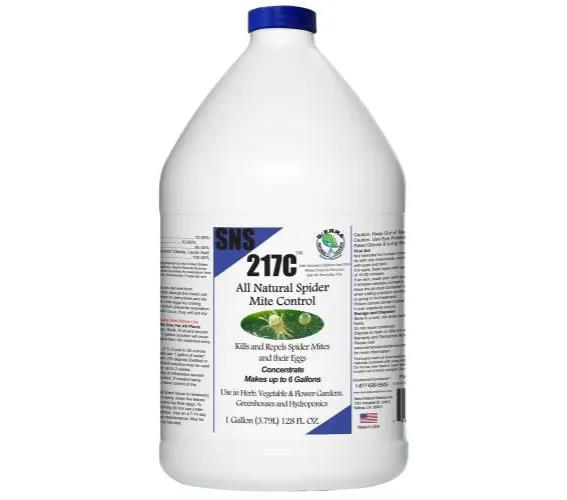
How to Utilize EPA 25(b) Exempt Products in an Integrated Pest Management (IPM) Program

Propagation Starts Before the Cutting: Why Healthy Mother Plants Matter

If you're looking for a premium coco coir growing media that delivers consistent results, healthy root development, and excellent water management, Char-Coir is one of the best options available. At Bella's Farm Supply, we supply Char-Coir to greenhouse growers, commercial farms, nurseries, and hydroponic operations throughout Florida and beyond. Whether you're growing tomatoes, peppers, hemp, ornamentals, leafy greens, or other high-value crops, your growing media is the foundation of your success. What Is Char-Coir? Char-Coir is a premium coco coir substrate manufactured from renewable coconut husks. After harvesting, the fibers are processed, washed, and buffered to create a clean, stable growing media with exceptional consistency. Compared to traditional peat-based media, Char-Coir provides excellent drainage while retaining the moisture plants need to thrive. This balance creates an ideal environment for vigorous root development and improved nutrient uptake. Benefits of Char-Coir Coco Coir Growers choose Char-Coir because it offers: • Excellent water-holding capacity • High air-filled porosity for stronger roots • Uniform texture and consistency • Low EC and properly buffered material • Sustainable, renewable growing media • Compatible with automated fertigation and irrigation systems • Reduced compaction throughout the growing cycle Healthy roots create healthier plants, which translates into stronger growth, higher yields, and more consistent crop quality. Perfect for Greenhouses, Nurseries, and Hydroponic Growing Char-Coir performs exceptionally well in a wide range of production systems, including: • Greenhouse production • High tunnels • Indoor cultivation • Container production • Hydroponic systems • Drip irrigation and fertigation • Commercial vegetable production • Nursery propagation Whether you're producing a few hundred plants or managing thousands, consistency in your growing media can help improve crop performance while simplifying irrigation management. Why Bella's Farm Supply Recommends Char-Coir At Bella's Farm Supply, we don't recommend products we haven't tested ourselves. Our research farm evaluates irrigation practices, fertility programs, growing media, and crop production techniques throughout the year. Char-Coir has consistently produced excellent root development, uniform moisture distribution, and reliable performance across multiple crops. Because we work directly with commercial growers, we understand how important consistent substrate performance is to reducing labor, improving irrigation efficiency, and maximizing plant health. Looking for Char-Coir in Florida? Bella's Farm Supply proudly supplies Char-Coir coco coir products to growers throughout Florida. Whether you're starting a greenhouse, upgrading your nursery, or improving an existing cultivation system, we're here to help you choose the right growing media for your operation. In addition to premium growing media, we offer consulting services for irrigation design, fertigation, greenhouse production, integrated pest management (IPM), and commercial cultivation support. If you're ready to improve your root zone with premium coco coir, contact Bella's Farm Supply today to learn more about Char-Coir products and how they can improve your next crop.

Running a successful farm or cul tivation facility today takes more than hard work—it takes precision. Between irrigation schedules, nutrient programs, pest pressure, and environmental swings, small inefficiencies can quietly turn into major yield loss. That’s where partnering with a cultivation consultant can make a measurable difference. At Bella’s Farm Supply, we don’t see consulting as theory—we see it as on-the-ground problem solving tied directly to production results. What a Cultivation Consultant Actually Does A good consultant isn’t there to replace your team—they’re there to strengthen it. A cultivation consultant typically focuses on: Irrigation and fertigation optimization Nutrient program design and correction Integrated Pest Management (IPM) systems Environmental strategy (temperature, humidity, VPD) Crop-specific steering (vegetative vs. fruiting strategies) Troubleshooting yield or quality issues The goal is simple: turn guesswork into repeatable systems. Where Most Operations Lose Money In our experience, most inefficiencies don’t come from one big mistake—they come from small, repeated issues such as: Over or under-irrigation in peak heat cycles EC drift from inconsistent stock solutions Nutrient programs not matched to crop stage Pest cycles that go unnoticed until pressure is high Environmental swings that stress plants daily Individually, these seem minor. Together, they can quietly reduce yield, quality, and consistency. What Changes When You Bring in a Consultant When a system is properly dialed in, the shift is immediate: More consistent plant growth across zones Reduced fertilizer waste and runoff Faster correction of crop stress signals Clearer decision-making based on data instead of reaction More predictable harvest quality and timing Instead of reacting to problems, you start preventing them. Consulting Is Not a Cost—It’s a Control Layer One of the biggest misconceptions is that consulting is an expense. In reality, it functions as a control layer on top of your production system. If your farm is already investing in: • infrastructure • irrigation systems • genetics • labor Then consulting ensures those investments actually perform as intended. Even small improvements in efficiency—2–5% in water or nutrient optimization—can scale into significant annual savings in a commercial environment. When It Makes the Most Sense to Bring in Help Consulting is most valuable when: You are scaling up production You are troubleshooting inconsistent results You’ve added new infrastructure or irrigation systems You’re trialing new crops or genetics You want to standardize SOPs across multiple rooms or sites If decisions are being made across multiple people or systems, alignment becomes just as important as inputs. Our Approach at Bella’s Farm Supply We don’t believe in one-size-fits-all recommendations. Every operation has: different water quality different climate pressure different infrastructure different crop goals Our consulting process focuses on building systems that actually fit your operation—not forcing your operation into a generic model. Final Thought The most productive farms aren’t necessarily the ones with the most inputs—they’re the ones with the most dialed-in systems. Partnering with a consultant is about tightening those systems so every decision has intent behind it. If you’re ready to move from reactive growing to controlled production systems, consulting may be the next step forward.
Learn when to upgrade your irrigation system for better crop health. Contact us for expert advice on efficient methods and sustainable practices.

Explore how heat affects EC balance in leaf tissue. Optimize your crop health with expert consulting. Contact us today!

Learn to manage leachate & reduce nitrate leaching in Florida's agriculture. Contact us for effective nutrient management solutions.
Optimize your greenhouse layout for better workflow & crop production. Contact Bella's Farm Supply for expert consulting today!