How to Utilize EPA 25(b) Exempt Products
in an Integrated Pest Management (IPM)
Program
One of the biggest mistakes I see in crop protection is waiting until there's a problem before taking action. By the time pests or diseases are visible, they've already begun affecting plant health and reducing yield potential.
That's where EPA 25(b) exempt products can become an important part of a successful Integrated Pest Management (IPM) program.
These products are often overlooked because they're classified as minimum-risk pesticides. That doesn't mean they're ineffective—it means they need to be used strategically
What Are EPA 25(b) Exempt Products?
Under the Federal Insecticide, Fungicide, and Rodenticide Act (FIFRA), certain products are exempt from federal EPA registration because they contain ingredients recognized as posing minimal risk when used according to the label.
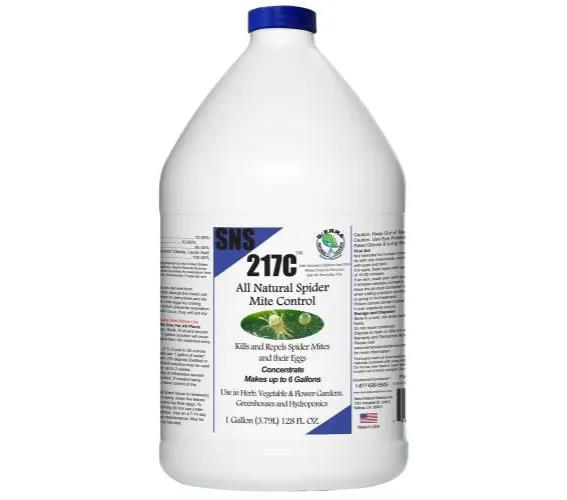
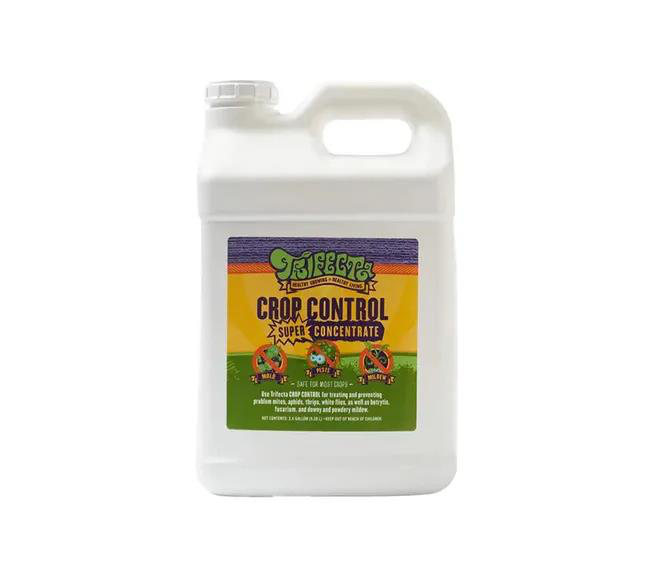
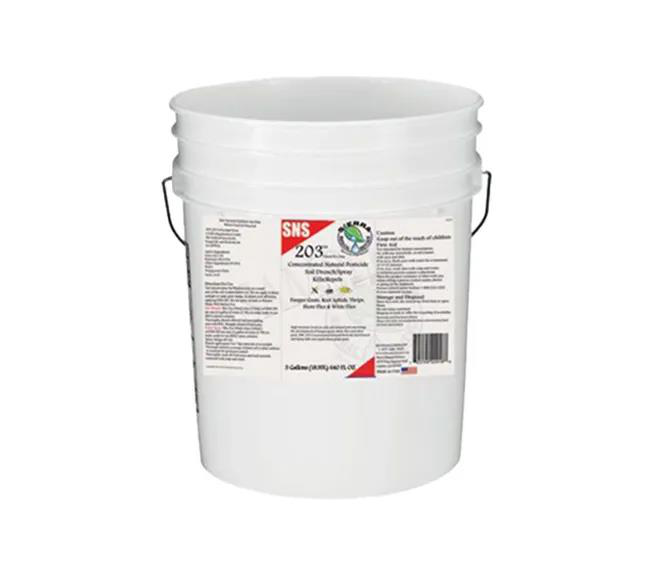
Many of these products utilize botanical oils, plant extracts, soaps, and other naturally derived ingredients that can help suppress insects, mites, and certain plant diseases.
Prevention Is Better Than Rescue
I've always believed that the best IPM programs are preventative, not reactive. Most 25(b) exempt products perform best when pest populations are low. If you're expecting them to eliminate a severe infestation overnight, you'll likely be disappointed.
Instead, incorporate them into your regular scouting and preventative spray rotation. Keeping pest populations low is often much easier—and far less expensive—than trying to regain control after an outbreak.
Not Every Product Fits Every Crop
One misconception is that all 25(b) exempt products work the same.
Different active ingredients target different pests, and every crop responds differently.
Success comes from understanding your crop, identifying the pest correctly, and selecting the right product for the situation.
Coverage Is Critical
Application technique is just as important as product selection.
Many minimum-risk pesticides rely on direct contact, making thorough spray coverage essential. Proper droplet size, spray volume, and canopy penetration often have a greater impact on performance than switching to a different product.
The best chemistry in the world can't control a pest it never reaches.
Build a Complete IPM Program
Successful growers don't rely on a single product.
A strong IPM program combines:
- Regular scouting
- Environmental monitoring
- Proper irrigation management
- Sanitation
- Biological controls when appropriate
- Conventional pesticides when needed
- EPA 25(b) exempt products as part of a preventative rotation
Each tool has a purpose, and understanding when to use it leads to healthier crops and
more sustainable production.
Final Thoughts
My goal has always been to help growers make informed decisions—not simply recommend another product.
Whether you're growing ornamentals, nursery crops, vegetables, hemp, or greenhouse crops, utilizing EPA 25(b) exempt products correctly can reduce pest pressure, improve rotation strategies, and strengthen your overall crop protection program.
If you're looking for 25(b) exempt pesticides, IPM supplies, greenhouse products, or crop protection solutions, visit our online store: --> https://www.bellasfarmsupply.com/pesticides
If you have questions about developing an IPM program or selecting the right products for your operation, feel free to reach out. I'm always happy to help fellow growers.